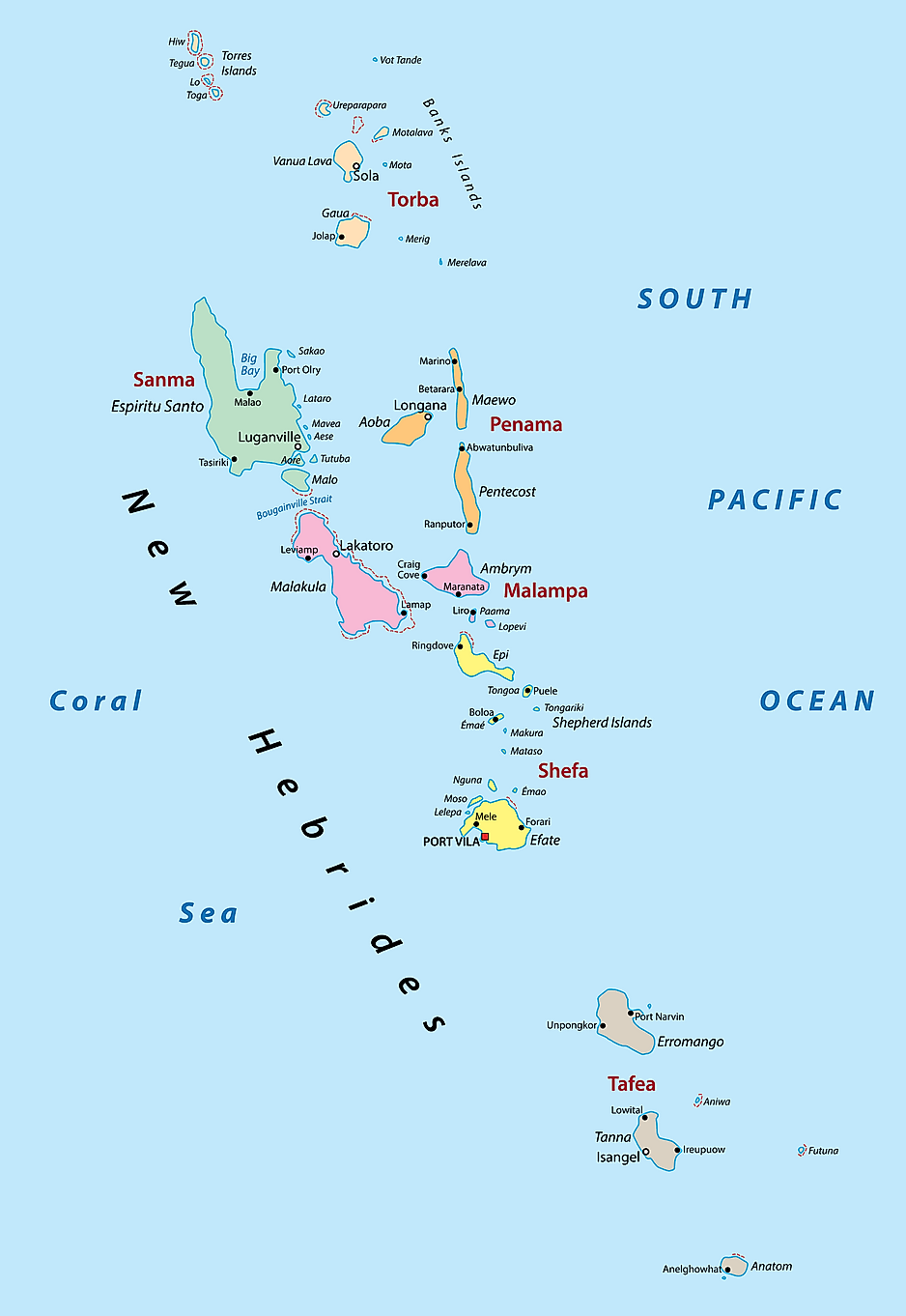
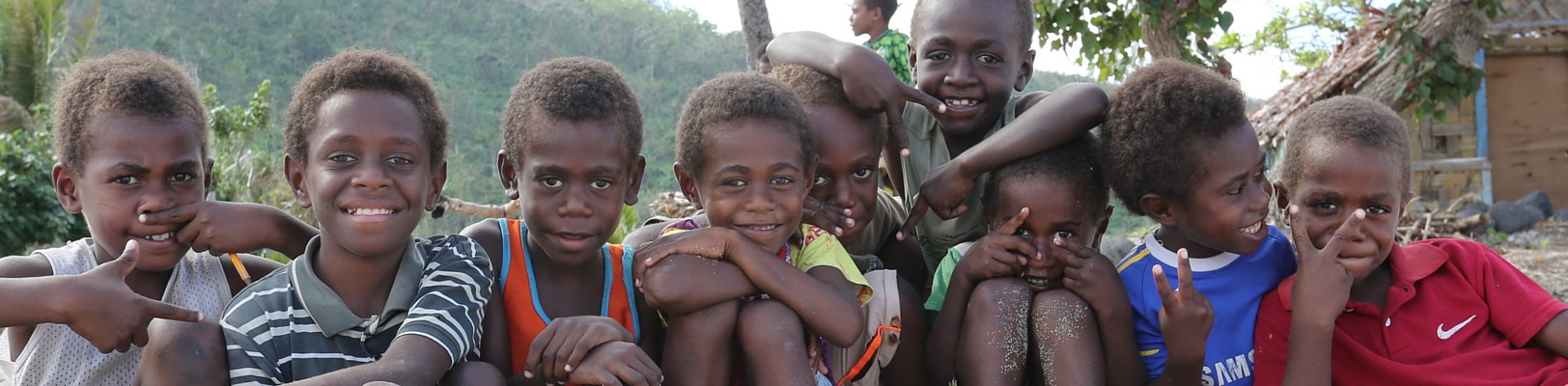
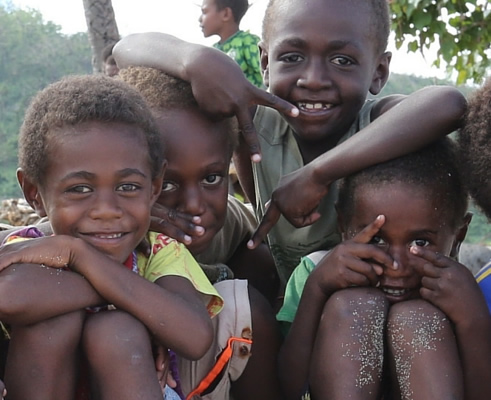
Ambae, Pentecost and Maewo, together make up Penama Province

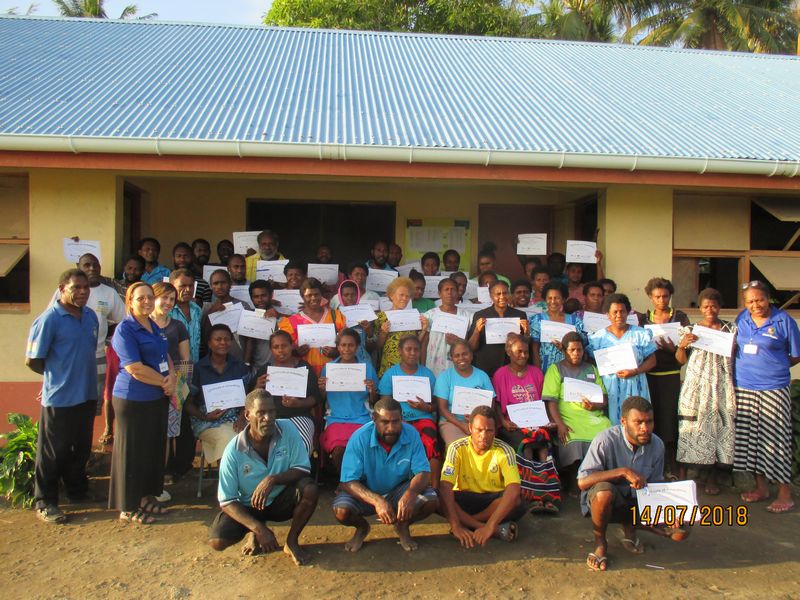
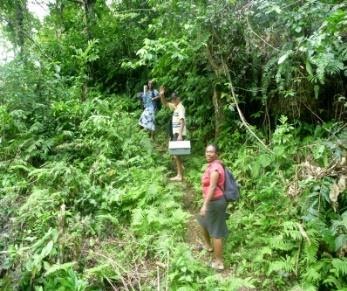
In collaboration with the Health Promotion Unit in Penama Province, the Butterfly Trust has been supporting a long-term programme in community health education. The project began on Ambae, one of the three islands making up the Penama Province, in 2015. Led by the Health Promotions Officer (HPO), Village Health Workers (VHWs) and chiefs of Lolovoli, Lolomanada (which includes Lovanda), and St Barnabas villages, villagers have focused on improving sanitation facilities, understanding good nutrition, promoting healthy kakae (food), and reducing the rates of infectious diseases.
The programme was interrupted by the eruption of the Manaro-Voui volcano on Ambae in 2018, but as of June 2019, 62% of the population of Ambae had returned following compulsory evacuations in the last quarter of 2018 after the eruption. Covid-19 also caused further disruption after it was discovered in Vanuatu in early 2022. Despite these interrruptions, the programme continues.
To see a video on the Trust’s Facebook page of Markson Tabi, Penama’s Health Promotions Manager, working on the programme (and promoting water filters) in October 2020, please click on this link. Markson has been responsible for running the programme and is now responsible for overseeing the HPO in running the programme. Click on the link to view Markson’s 2019 report – HPOs Report Ambae 2019
Some results of the programme have included:
- Between 2016 and 2019 Lolovoli built a total of 13 toilets, eight washing hand stations, and 10 bathrooms, and received 11 visits from the HPO. Lolomananda, which initially was a very difficult community to work with, reorganised itself after a small training session from the HPO and some community leaders, and from 2016 to 2019 built 3 toilets, 1 washing hand station, and 1 bathroom. Saint Barnabas completed 7 toilets, 9 washing hand stations and 8 bathrooms during the same period.
- One of the communities making up the village of Lolomananda, Lovonda, was awarded the “Model Healthy Community” title in early 2020 by Penama Provincial Health. Lovanda has also declared itself a tobacco-free community and has restricted the drinking of alcohol. The community leaders have drafted their own guiding principles in keeping with their “Model Healthy Community” status. Click on the link to read a copy of those principles (note that “shell” means “sell” and “strictly shell” means “forbidden to sell”) – Lovonda Policy for Healthy Community.
- The incidence of worms and diarrhoea has decreased in all three villages.
- Education about healthy nutrition has been provided. It has emphasised shifting from imported, (processed) food, to local healthy food to reduce the rate of NCDs (non-communicable diseases). NCD screening has also been implemented as part of the programme and results have shown a high prevalence of diabetes, high blood pressure and obesity among the adult population.
- The programme now forms part of the Penama VHW in-service training.
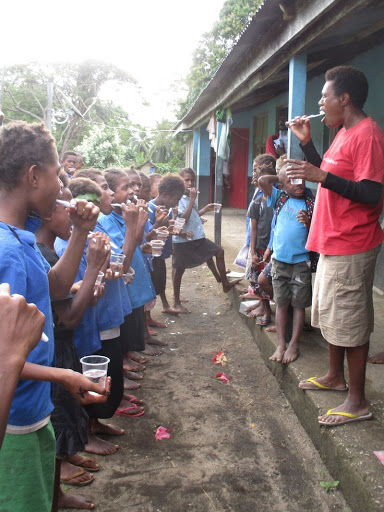
- The programme has been introduced into three primary schools.
- One VHW who has taken part in the programme has been promoted to attend nursing school.
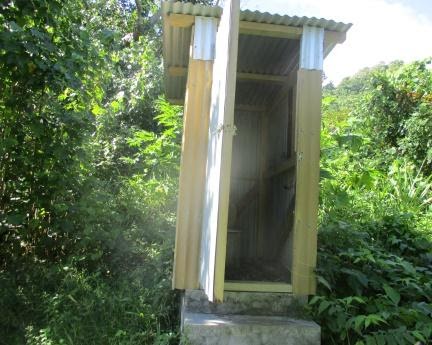
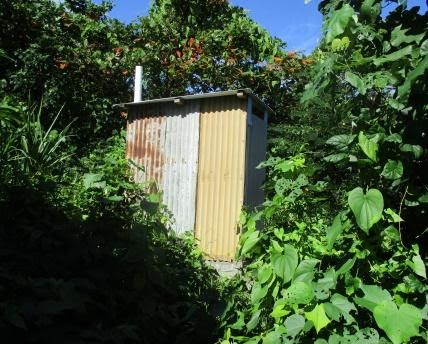
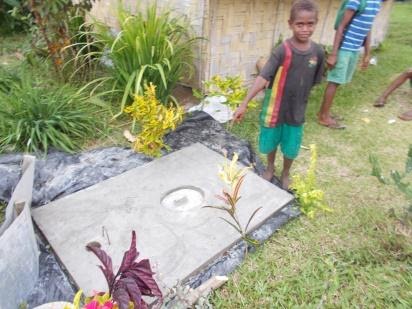
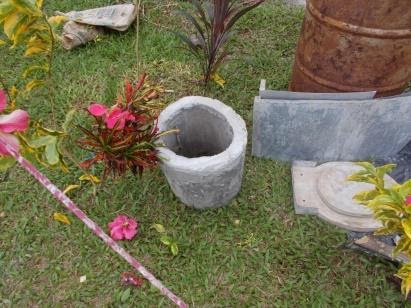
Compared to bush toilets, which are more exposed and constitute breeding grounds for flies and other pests, these VIP toilets allow for waste to decay in contained spaces, minimising environmental effects and odour. (VIP is shorthand for “ventilated improved pit” toilet.)
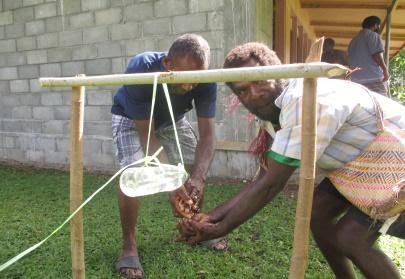
The step up from bush toilets to VIP toilets should reduce the passing of some infectious diseases (also known as communicable diseases). Note the “tippy-tap” for handwashing.

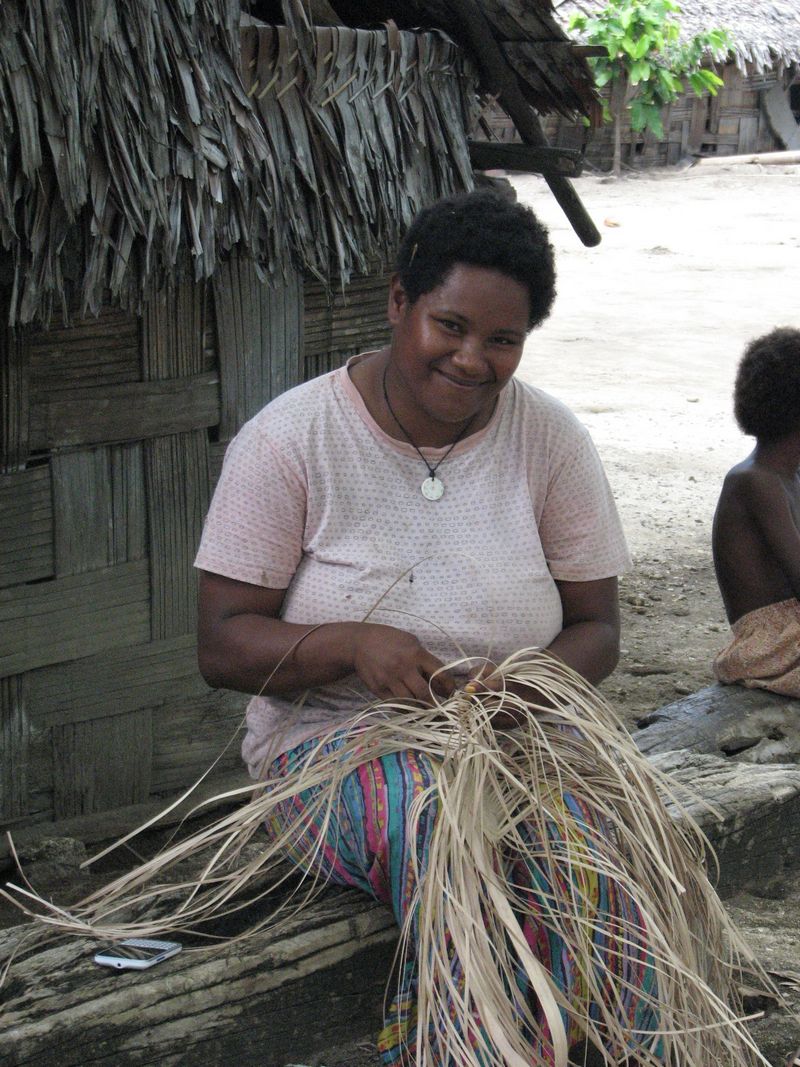
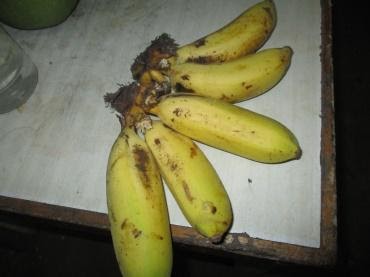
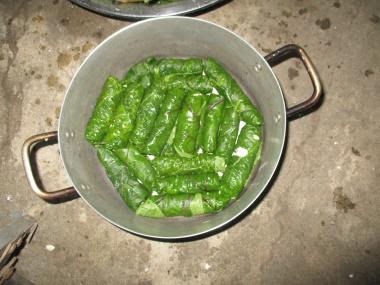
Organic island kakae (food) is collected from gardens in the bush and used to make fruit platters (pic 3) and simboro (pic 4). The MOH is encouraging consumption of island food to combat increasing levels of diabetes and heart disease, caused in part by processed foods.

Please help Markson and his community teams carry on their excellent work by donating to the Penama Community Health Programme.